






Table Of Content
- Don’t miss Van Gogh’s Must-See Masterpieces
- Vincent Van Gogh’s Self-Portraits and Evolution of Style
- Letters to Theo and Personal Artifacts
- Drawings, Sketchbooks, and Studies
- Experiencing the Museum
- Temporary and Special Exhibitions
- Immersive and Digital Installations
- Explore Shop and Café
- How to Get Van Gogh Museum Tickets
- Plan Your Vacation Right From the Start
- FAQ About What to See at the Van Gogh Museum
- Conclusion
Most people think they know what to see at Van Gogh Museum: a few famous paintings, a wall of Sunflowers, maybe a self-portrait or two. The truth is, the museum holds far more than that, and without knowing what to look for, you risk missing those very moments that make it extraordinary.
On my visit, I watched travelers rush to the famous works, snap a photo, and leave, missing the letters, sketches, and deeper layers of Van Gogh’s world. With over 1.6 million visitors a year, the galleries can feel overwhelming.
The solution is simple. Come prepared, with a ticket booked in advance, and follow his journey from early Dutch paintings to luminous French canvases. That’s what this post is all about.
Key Takeaways:
- The museum traces Van Gogh’s artistic journey, from his early dark works to the vibrant masterpieces of Paris and Arles.
- Self-portraits, letters, and personal artifacts reveal his life, struggles, and creative mind.
- Sketches, studies, and temporary exhibitions offer fresh insights into his discipline and style.
- Booking tickets online is essential to avoid missing entry or special exhibits.
- The café, shop, and nearby attractions like the Rijksmuseum and Stedelijk Museum enhance the overall visit.
Before we jump into the discussion, know that Van Gogh Museum, Amsterdam, received maximum visitors in June and August and stays busier on weekends. If you’re planning in this time frame, consider these booking options:
- Skip-the‑Line fast-track entry tickets come with a timed slot.
- Guided Tour Entry, including amazing storytelling, perfect if it’s your first visit.
- Combo Tickets for Pairing Van Gogh access with a canal cruise , great for couples
- Pair your Van Gogh entry to the Rijksmuseum.
Don’t miss Van Gogh’s Must-See Masterpieces

My first visit to the Van Gogh Museum was a mix of excitement and awe. The galleries were calm in the morning light, giving me space to start my journey through his life. These are the ones you must witness there.
Although, you can explore Van Gogh as your preferred order. I started on the ground floor with the first one, and the rest of them are on the first floor.
The Potato Eaters (1885)
I began with The Potato Eaters on the ground floor, and instantly, the raw energy of the painting pulled me in. The earthy tones, the textured brushwork, and the expressions of the peasants sharing their humble meal struck me in a way that photos never could. Standing there, I realized how Van Gogh wanted to portray their daily struggles and humanity.
Sunflowers (1888)
Next, I moved to the luminous Sunflowers series. Up close, the yellows were richer, almost pulsating with life. Every thick brushstroke was visible, each petal seeming to glow under the museum lights.
It was hard to imagine the feelings he poured into these works. Seeing them after The Potato Eaters made me appreciate the evolution of his color and emotion.
Wheatfield with Crows (1890)
Finally, I paused at Wheatfield with Crows. The dark crows slicing through the vast wheat fields and the swirling sky conveyed a haunting energy. Experiencing it in person, you’ll feel the emotional weight of Van Gogh’s final days.
Almond Blossom (1890)
Then came Almond Blossom, a gentle shift in mood. Did you know it is painted to celebrate the birth of his nephew? The delicate branches against the serene blue sky felt almost three-dimensional. The optimism and hope in this work was a refreshing contrast to the intensity of the previous pieces.
The Bedroom (1888)
You may end this part of the journey with “The Bedroom.” The bold colors and simplified forms of the furniture deliver warmth and calm. Standing there, you can almost imagine Vincent van Gogh resting in that room and maybe seeking a sanctuary amid his chaotic life.
Seeing these works in sequence took me to Van Gogh’s journey, not just as an artist, but as a human being. You will feel his struggles, his joy, and his relentless passion for capturing life in its rawest, most beautiful form.
Tip for Visitors: To truly see these masterpieces, book your tickets for the Van Gogh Museum in advance. Early entry lets you notice the subtle details and fully immerse yourself in Van Gogh’s world. Reserve your Van Gogh Museum tickets here before tickets get sold out everywhere.
Vincent Van Gogh’s Self-Portraits and Evolution of Style

Walking through the Van Gogh Museum is like engaging in a silent dialogue with the artist. The museum’s collection of over 35 self-portraits offers a profound glimpse into Van Gogh’s artistic journey. Each portrait reflects his changing moods, techniques, and personal circumstances.
Ground Floor: Early Self-Portraits and Parisian Influence
On the ground floor in Room 0, visitors encounter Van Gogh’s early self-portraits from his Paris years (1886–1888). These works show his experimentation with Neo-Impressionist techniques and the vibrant color palette. The Self-Portrait with Grey Felt Hat (1887) is an example because of his short, rough brushstrokes and subdued tones.
First Floor: Arles Self-Portraits and Expressive Colors
Ascending to the first-floor rooms 1–3, you will see self-portraits from his time in Arles. These works, like the Self-Portrait with Straw Hat (1887), contain brighter colors and expressive brushwork and are influenced by the south of France.
Third Floor: Later Self-Portraits and Psychological Depth
On the third floor, you will find some of Van Gogh’s most intense self-portraits from his stay at the Saint-Paul-de-Mausole asylum in Saint-Rémy-de-Provence. Works like Self-Portrait (1889) in his unique swirling brushstrokes and vibrant blue.
Visitor Tip: For an uninterrupted experience, consider booking tickets in advance to explore the galleries without the crowd. Reserve your Van Gogh Museum tickets here.
Letters to Theo and Personal Artifacts
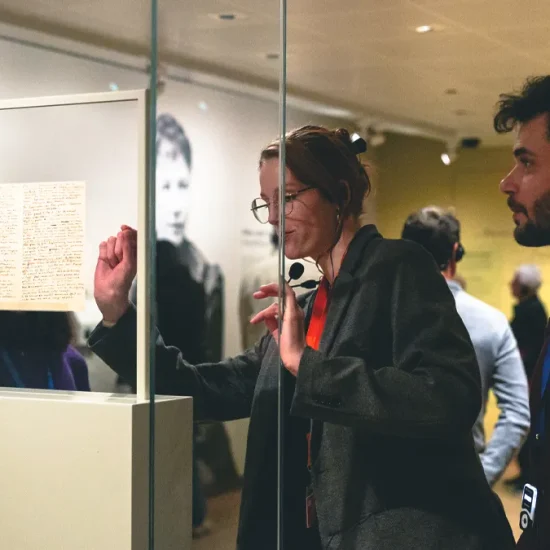
The museum shows letters Van Gogh wrote to his brother Theo, along with objects from his daily life. Reading his words gives a glimpse of the man behind the brush, full of longing, doubt, and determination. In one letter, he confessed,
“It is already late, but I wanted to write to you again. You aren’t here, yet I’m in need of you, and it seems to me as if we aren’t far apart sometimes.” from the Van Gogh Museum Letters Collection
You’ll also see paint boxes, sketches, and tools that shaped his artistry. Standing in front of them, it struck me that behind the bold colors was a man constantly questioning his worth.
To truly appreciate these quieter displays, it helps to plan your timing. Check out the best times of day to visit the Van Gogh Museum and plan early mornings and late afternoons. It gives visitors more space to reflect without heavy crowds.
Drawings, Sketchbooks, and Studies

The permanent exhibition also displays his drawings, letters, and sketches distributed throughout the permanent galleries. So when you walk through the galleries, you will encounter these works alongside his paintings.
- Sketchbooks Held in Collection: The Van Gogh Museum owns 4 sketchbooks that are among the few he had as an artist. These sketchbooks are very rarely displayed due to their vulnerability to light and fragile condition.
- Studies: The Main Building houses the permanent collection, which includes many of his drawings and sketch studies.
- Number of Works: The permanent collection has over 500 drawings by Van Gogh. Also over 750 letters, which sometimes accompany exhibits of sketches/drawings to show process and thought.
If you want to experience these works without rushing, it is best to secure your entry early. You can check reliable options for where to buy Van Gogh Museum tickets in advance or even look for last-minute Van Gogh Museum tickets if you decide to visit on short notice.
Experiencing the Museum
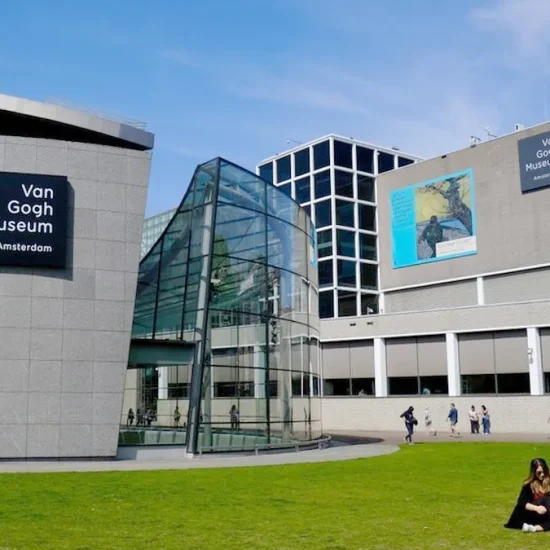
You will Walking through the Van Gogh Museum feels like stepping into the artist’s life. Not just the galleries, but the building, designed by Gerrit Rietveld, is stunning itself. The galleries are arranged in a way that takes you on a journey.
From his early dark-toned works in the Netherlands to the brighter, more colorful pieces he painted in Paris and the south of France. The museum highlights how his themes and style shifted over time.Each room reveals how new influences and personal struggles shaped his art.
Visitors can also explore Van Gogh’s world through multimedia guides. These audio and digital tools explain the meaning behind the paintings and share stories from his letters, giving deeper context to his creativity. Booking a guided tour will allow access to all these facilities and enrich your experience.
Temporary and Special Exhibitions
The museum keeps its collection alive with rotating shows. In 2025, one highlight is Van Gogh Along the Seine, portraying his Paris years and the influence of the river on his art. Catching a special exhibition feels different from the permanent galleries. It brings new works, fresh comparisons, and unexpected insights.
I once saw Van Gogh placed beside artists he admired, and it changed how I looked at his bold experiments. These temporary shows remind you that his story is still being told. If you don’t want to miss the chance, you have to plan early on.
To plan your visit, you can explore the available ticket options and book in advance through Van Gogh Museum Tickets. If you’re looking for last-minute availability, consider checking Last-Minute Van Gogh Museum Tickets.
Immersive and Digital Installations
These immersive installations bring his art to life, offering a dynamic experience that traditional galleries cannot match. Technology bridges the gap between Van Gogh’s 19th-century creations and today’s audience. It makes his art accessible to younger visitors and newcomers, providing an engaging way to connect with his work.
For children, the museum offers interactive amenities that make learning about art fun and memorable. Such as treasure hunt booklets, family multimedia guides, workshops, drawing activities, etc. Plan for your children too, as under 18, children’s entry is free.
After experiencing the immersive installations, consider exploring nearby attractions to enrich your visit. You can enjoy contemporary art at the Stedelijk Museum or explore Dutch history at the Rijksmuseum, both located within walking distance.
Explore Shop and Café
The museum shop is a treasure trove for Van Gogh fans. I found a small sunflower print and a notebook with reproductions of his sketches, perfect for remembering the visit. There are also gifts and books that make meaningful keepsakes or souvenirs. Take a memory with you from the shop.
After browsing, I paused at the cafe. I grabbed a coffee and a Dutch pastry, enjoying a quiet moment to reflect on the paintings, letters, and sketches I had seen. You can rest here, as it has the warm, relaxed atmosphere needed just after.
How to Get Van Gogh Museum Tickets

The Van Gogh Museum doesn’t sell tickets at the door, and I saw visitors turned away because they hadn’t booked in advance. Booking online was the only way I got in without waiting or missing out.
You can reserve Van Gogh Museum tickets online ahead of your visit for a smooth entry. If your plans are last-minute, there are also options for last-minute Van Gogh Museum tickets so you can still enjoy the galleries without stress.
Therefore, Reserve your tickets and immerse yourself in an unforgettable journey through Van Gogh’s art, life, and the emotions that shaped his masterpieces.
Plan Your Vacation Right From the Start
From Sunflowers to The Potato Eaters, the Van Gogh Museum provides an immersive experience that will leave you feeling inspired. And, before you finalize your Amsterdam plans, use this simple checklist to make sure your visit to the Van Gogh Museum runs smoothly and efficiently.
| Get a Travel Adapter | Get Travel Insurance |
| Buy Your Flight Ticket | Purchase your SIM card in advance |
| Plan for comfortable footwear | Buy Convenient Luggage |
| Carry Documents Wallet and Carry a photo ID | Arrive within 30 minutes of your booking. |
| Using lockers or museum facilities for convenience. | Van Gogh Museum Reserved Access With Audio Guide (Book Now) |
| Tip.com Hotel | Van Gogh Museum Access with City Canal Cruise (Book Now) |
| HostelWorld | Van Gogh Museum Guided Tour With Access (Book Now) |
| Learn about official Opening Hours | Van Gogh and Rijksmuseum: A Small Group Tour Entrance (Book Now) |
FAQ About What to See at the Van Gogh Museum
How long does a visit take?
Most visitors spend 2 to 3 hours, depending on how much time is spent on masterpieces, letters, and sketches. So keep a time frame of 2 to 3 hours to visit without rushing.
Which paintings are must-see
Amid all the works, the most loved and genius works are included: The Potato Eaters, Sunflowers, Wheatfield with Crows, Almond Blossom, The Bedroom, and over 35 self-portraits. Follow the flow from the ground floor to the first and third floors.
Are audio guides available
Yes, multimedia guides provide context, stories from letters, and insights into his evolving style. You can book an audio-guided tour or a guided tour to experience the Van Gogh Museum in a deeper way.
Can visitors see letters and sketches?
Yes, you can. Original letters to Theo and sketches are on display, mainly on the ground floor and first floor, offering a deeper understanding of his life and work.
Should tickets be booked in advance?
Yes, the museum uses a timed-entry system. Booking online only ensures enough time to explore the galleries without rushing. Reserve tickets here.
Are temporary exhibitions worth visiting
Yes, the Temporary Exhibition Wing features rotating shows exploring Van Gogh’s influence on contemporary art.
Conclusion
Exploring what to see at the Van Gogh Museum is stepping into the life and mind of one of the world’s most celebrated artists. From the intimate letters on the ground floor to the vibrant masterpieces on the first and third floors, every room tells a story of passion, struggle, and creativity.
To make the most of your visit, plan ahead, follow the recommended route, and book your tickets in advance. Experience the full emotional depth, and truly understand what makes these works timeless.


No Comment! Be the first one.